
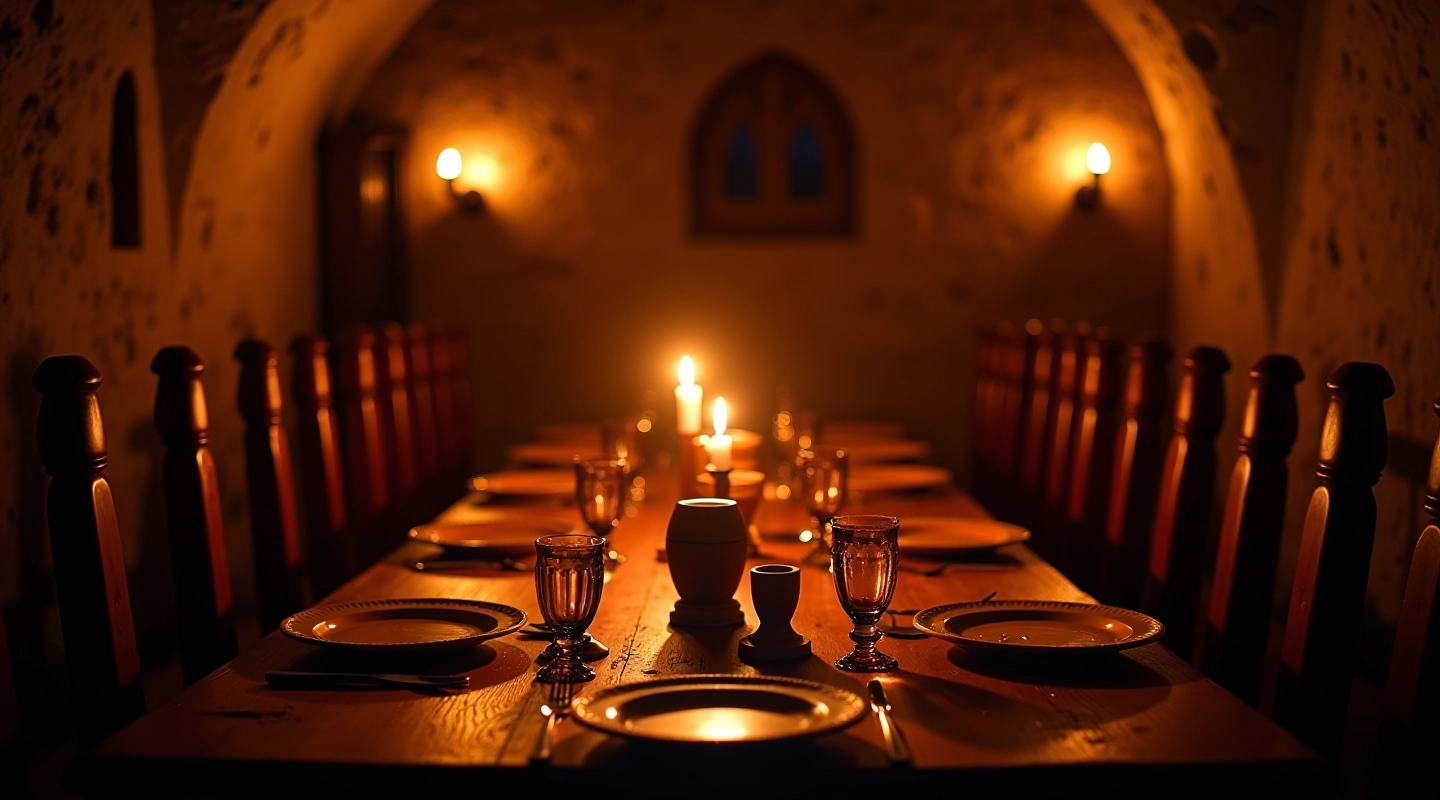
Planning Your First Medieval Feast Experience
Learn what to expect at an authentic medieval banquet, from dress codes to dining rituals and how to prepare for an unforgettable evening.
Discover what medieval people actually ate versus modern interpretations. We'll explore authentic recipes, serving customs, and how today's banquets balance historical accuracy with contemporary tastes.
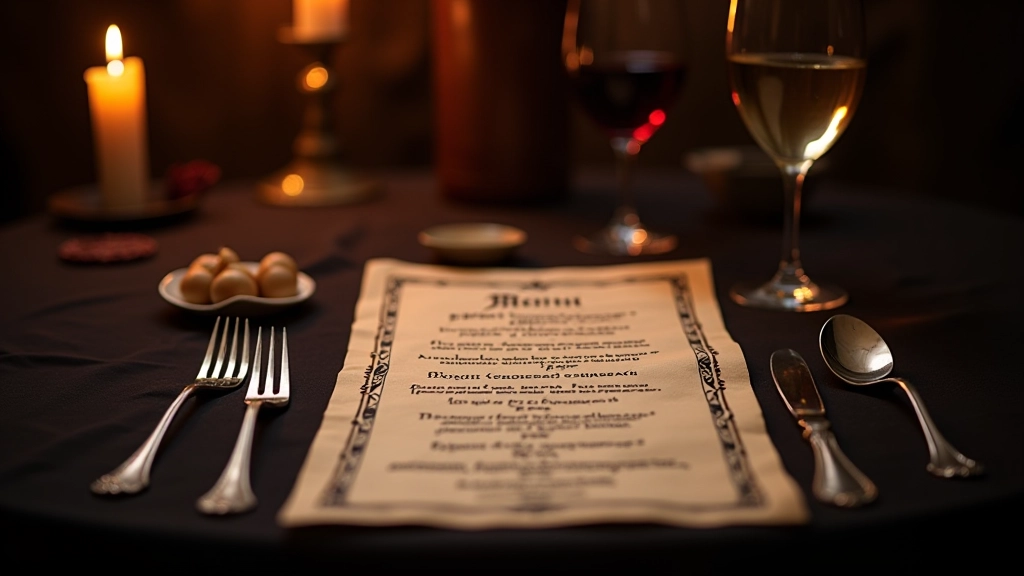
Food wasn't just sustenance in medieval times — it was a statement of power, wealth, and social position. What you ate, how much you ate, and what you sat on determined your place in society. But here's the thing: the reality was messier, more creative, and honestly more interesting than most modern recreations suggest.
Medieval feasts weren't five-course fine dining experiences. They were loud, crowded, multi-hour affairs with specific rituals. People ate with their hands. Wine was mixed with water. And the dishes that made someone wealthy in the 1400s would've seemed strange — even unappetizing — to us today.
Let's be clear: medieval cooking wasn't about fresh local produce from a farmers market. It was about what you could preserve through winter. That meant dried herbs, salted meat, fermented fish sauce (yes, really), and spices brought from Asia at enormous cost.
Pepper, cinnamon, cloves, and nutmeg weren't decorative — they were luxury items that proved you had money. A wealthy merchant would've used spices in nearly everything. Bread made up 60-70% of the average person's diet. Meat was expensive, so when you got it, you made it count with complex sauces and preparations.
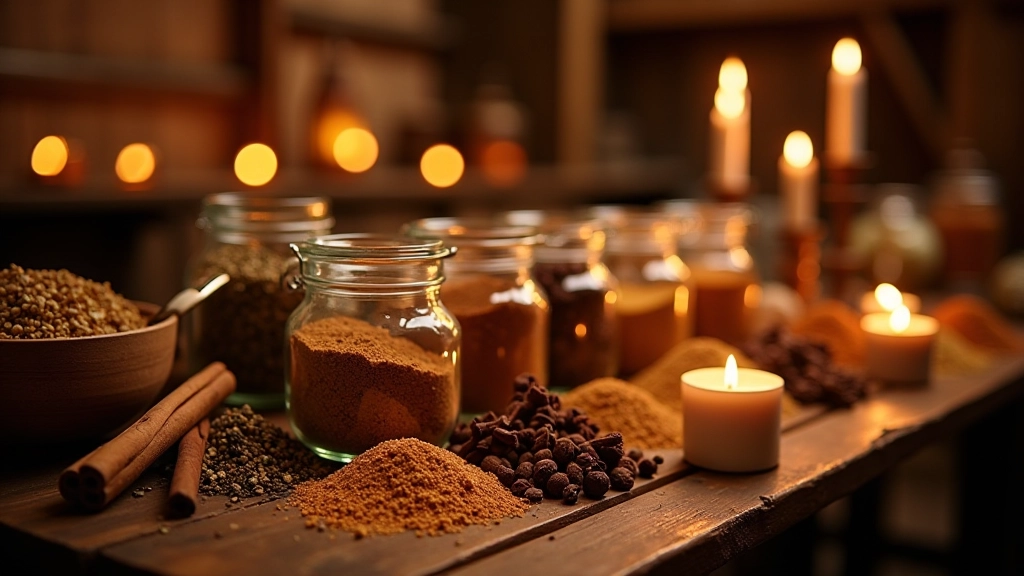
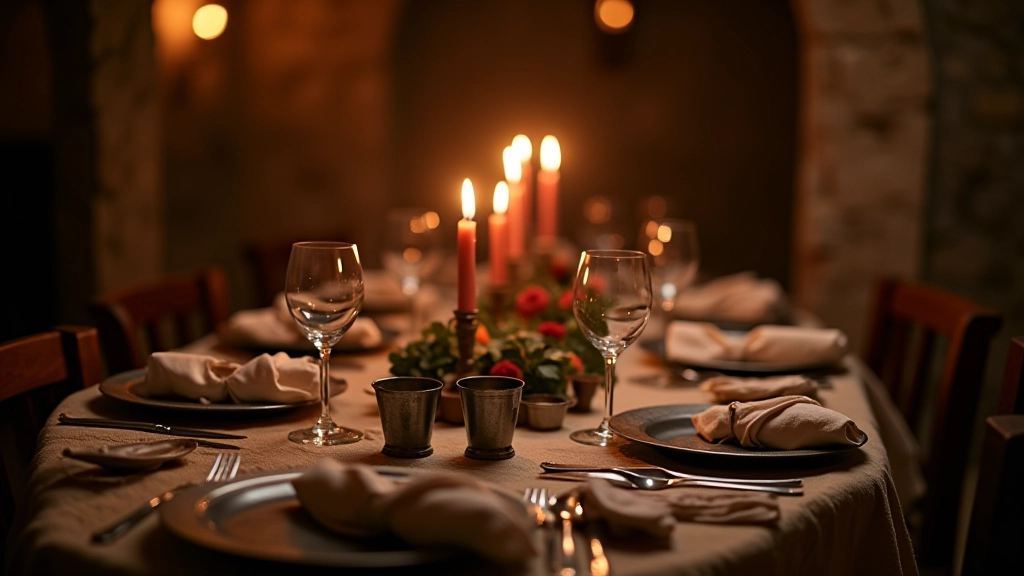
A medieval feast wasn't one continuous meal — it was a performance divided into courses called "services." Each service could have multiple dishes served simultaneously. Diners didn't eat everything at once. Instead, courses arrived in waves, sometimes with entertainment between them.
The first service typically included soups, pies, and roasted meats. The second service brought more roasted dishes, often game. The third service (if it was a really fancy banquet) included elaborate pastries and sugared fruits. Between services, musicians played. Jesters performed. Conversation happened. It was social theater, not just eating.
People sat at long tables in strict hierarchy. The lord and his family sat elevated, at the head table. Everyone else arranged by rank below them. Servants stood while nobles sat. Wine was constantly available and frequently diluted with water — pure wine was considered too strong.
Today's medieval banquets try to capture the spirit of historical feasting, but they make smart adjustments. We don't serve whole roasted animals with fur intact. We don't make diners eat with their hands (though some do). We don't serve the weird jelly-meat dishes that were actually popular then.
Instead, modern interpretations focus on what worked: the multi-course experience, the ceremony, the shared table experience, and dishes based on authentic recipes but refined for contemporary palates. When you attend a medieval banquet in Tallinn, you're experiencing a theatrical interpretation — one that's historically informed but not historically strict.
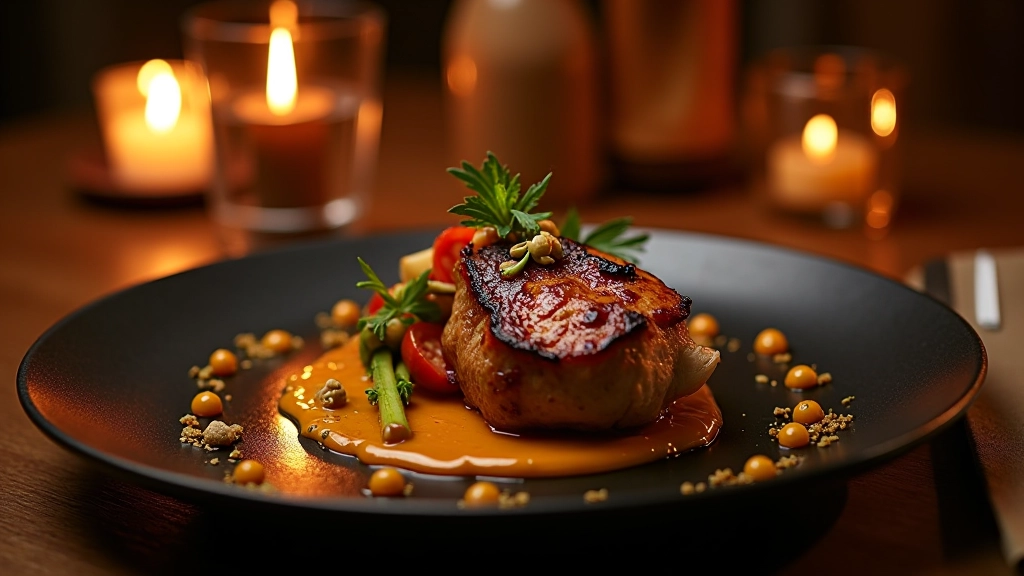
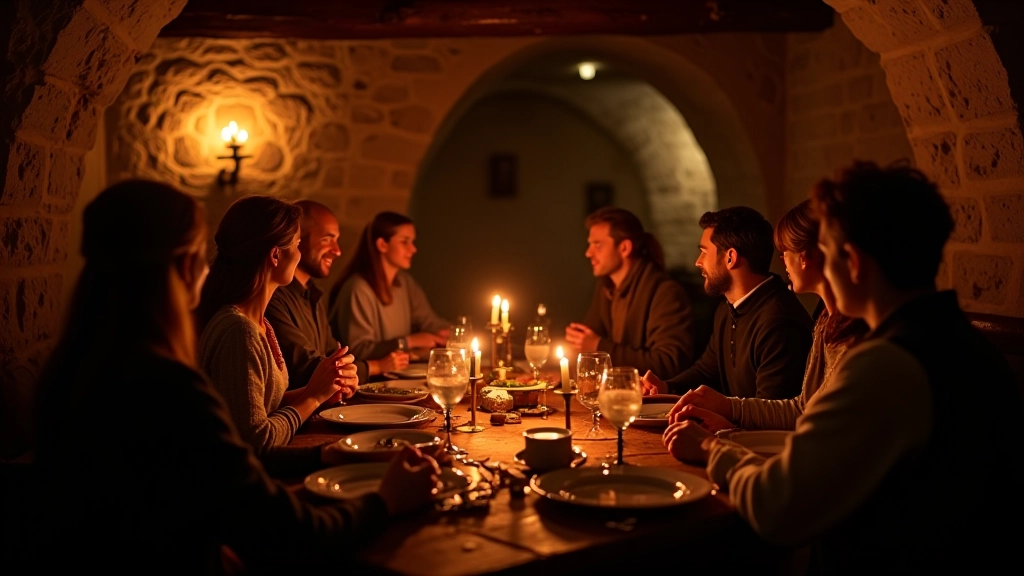
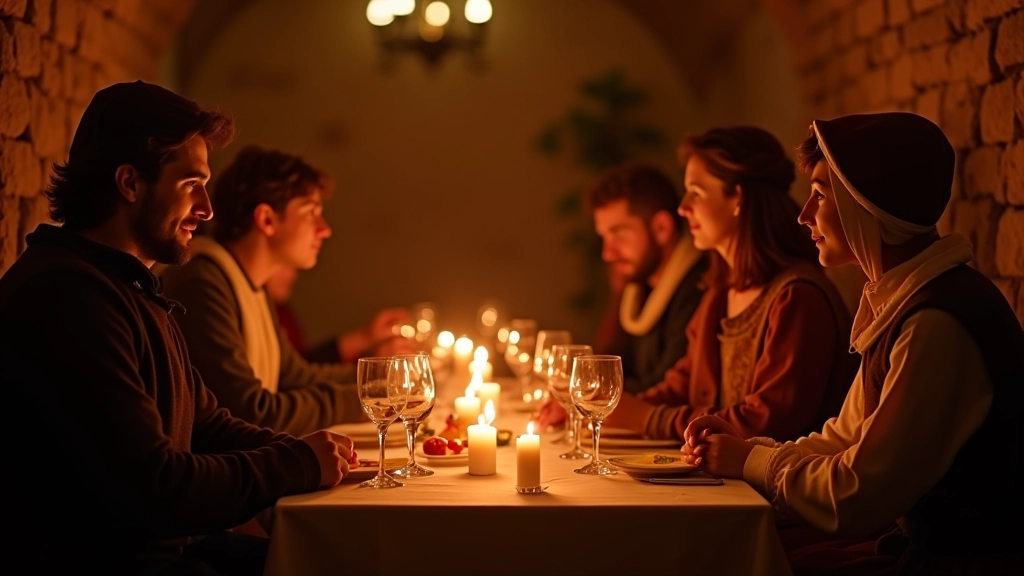
Authenticity in a modern medieval banquet comes from the details. It's the multi-course service. It's dining by candlelight in a stone cellar. It's the ceremony of how food arrives and the ritual of the shared meal. It's conversation without phones. It's the atmosphere.
The food itself draws inspiration from historical recipes — dishes with names like "Blancmange" (a medieval almond and chicken dish), meat pies with fruit, roasted birds, and spiced sauces. But they're prepared with modern food safety and contemporary cooking techniques. You'll recognize the flavors. You won't get food poisoning.
When you're seated in a candlelit medieval cellar beneath Tallinn's Old Town streets, eating courses that medieval people actually ate (in updated form), surrounded by stone walls that are 500+ years old — that's when the experience becomes real. It's not about perfect historical accuracy. It's about stepping into another time.
This article provides educational information about medieval cuisine and historical feasting traditions. The descriptions of medieval food practices are based on historical records, but specific recipes and techniques varied widely across regions and centuries. Modern banquet experiences in Tallinn are theatrical interpretations designed to evoke the atmosphere and spirit of historical feasts while meeting contemporary food safety and comfort standards. For detailed historical research, consult academic sources on medieval European culinary history.
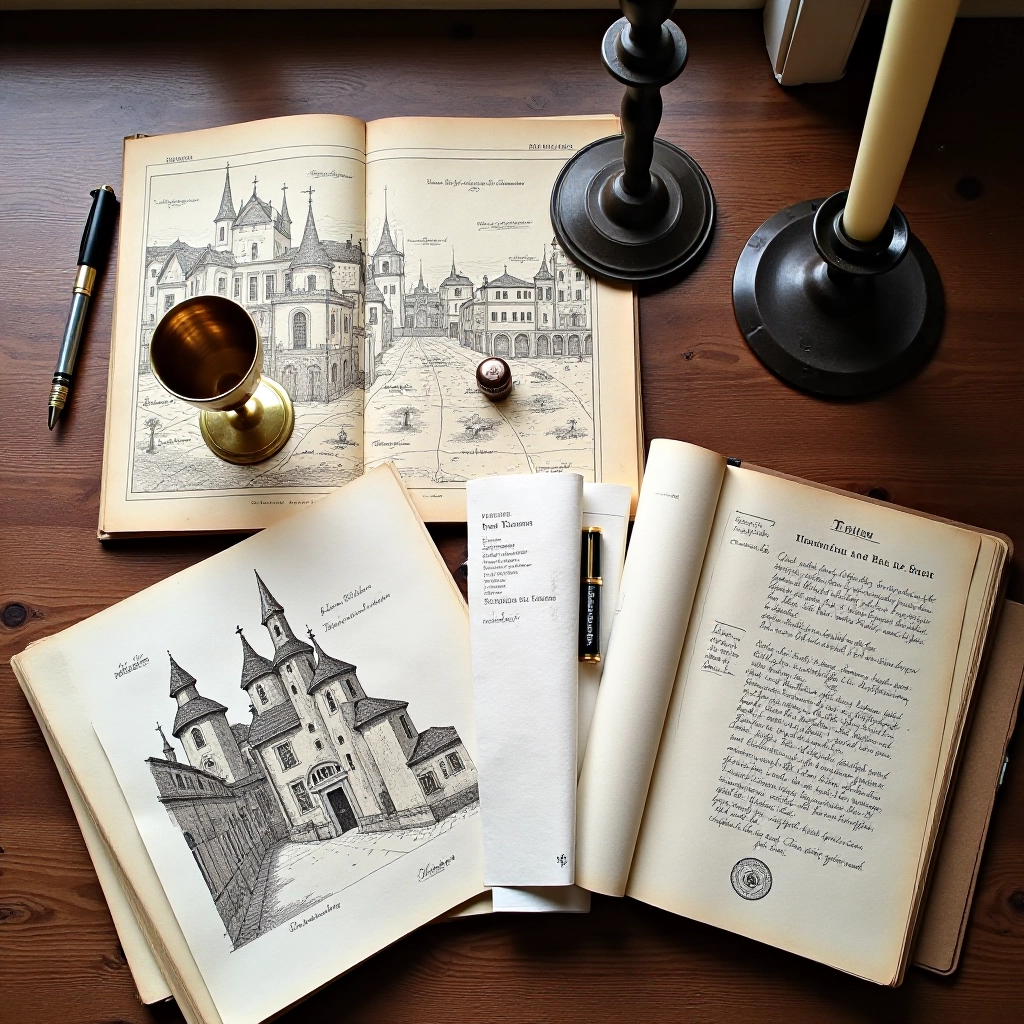
Editorial Team
Written by the sorboaxis editorial team, focused on honest, practical guidance for planning an authentic medieval banquet evening in Tallinn.
Learn what to expect at an authentic medieval banquet, from dress codes to dining rituals and how to prepare for an unforgettable evening.
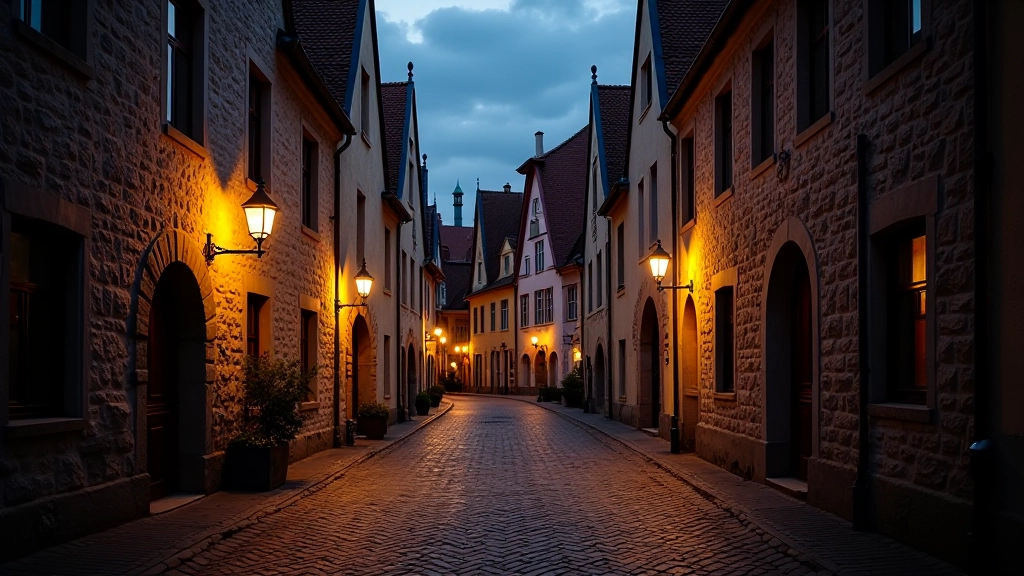
Explore the underground tunnels and historic cellars beneath Old Town's streets, where centuries of history meet modern dining experiences.
A practical guide to dressing for medieval banquets, including what's expected and how to fully immerse yourself in the historical atmosphere.